 FUNDING AND TREASURY
 EFFICIENT ENERGY
 STRATEGIC COLLECTIONS PARTNERSHIP
 WATER MANAGEMENT
 LEGAL ADVISORY
 OUTDOOR ADVERTISING
 SMART TECHNOLOGY

Surviving the storm: A practical guide for South Africans in uncertain economic times
In a recent interview on Diary of a CEO, economist, author and professor Steve Keen issued a sobering warning: the global economy is entering a period of instability driven by rising private debt, energy constraints, and environmental pressures.
Keen, who famously predicted the 2008 financial crisis, argues that modern economies are built on fragile assumptions – particularly the belief that growth can continue indefinitely without limits. Energy, resources, and ecological stability underpin everything. When these are strained, economic systems follow. For South Africans already dealing with electricity instability, water constraints, and rising living costs, the reality is not theoretical- it is already unfolding. The question is no longer if disruption will happen, but how do we prepare? Below is some practical guidance on how to survive in unpredictable economic times.
Energy independence is no longer optional
Keen highlights a fundamental truth: economic activity depends on energy. When energy systems become unreliable or expensive, everything from food production to security becomes vulnerable. In South Africa, this is already visible through a history of load shedding, rising electricity tariffs, and grid instability.
What you can do
- Invest in solar and battery backup systems to reduce your reliance on Eskom and failing infrastructure. This way, macroeconomic stressors like threats to global oil supply will not impact you.
“I think we’ve trivialised the dangers of climate change for the last century… we’ve done very little to reverse it. This [war] is telling people that if you’ve relied upon oil, you’ve got a fragile existence. Even if it costs you more to build solar, you’ve got to build solar as your own alternative energy system. Because without energy, there’s no civilisation. And that’s what we’re learning the hard way from this conflict.” – Professor Steve Keen
Solar and battery backup will also ensure you have uninterrupted power for essential needs such as security, refrigeration, and work and study connectivity. Through this, you will be able to protect your livelihood, your wellbeing, and your future.
Solar is no longer just a sustainability choice; it’s a resilience strategy. STS proudly partners with Bright Light to deliver solar and battery backup solutions tailored to community schemes, offering:
- Energy security during outages
- Lower long-term electricity costs
- Increased property value and attractiveness
“If you have a great solar roof, and you have a battery pack in your house, and you have an electric car, that scales worldwide. You can solve the whole energy equation with that.” – Elon Musk
Water security: The next big crisis
If you think access to reliable energy is crucial, wait until you don’t have access to drinkable water. South Africa is already a water-scarce country, with infrastructure challenges, climate variability and population growth increasing pressure on supply systems.
Keen’s broader argument about physical limits applies to water – once supply systems fail, there are limited alternatives.
What you can do
- Install water storage tanks
- Implement rainwater harvesting
- Fix leaks and reuse greywater where possible
When municipal systems fails, water storage becomes the difference between comfort and crisis. STS provides water resilience solutions for community schemes, helping to:
- Maintain supply during outages
- Reduce reliance on municipal systems
- Future-proof infrastructure
“Water is at the core of sustainable development and is critical for socio-economic development, energy and food production, healthy ecosystems and for human survival itself. Water is also at the heart of adaptation to climate change, serving as the crucial link between society and the environment.” – United Nations
Food security starts at home
Global supply chains are increasingly fragile due to rising fuel costs, a rising population, climate change, and geopolitical instability. It is no surprise that food systems are therefore directly tied to energy and environmental stability.
What you can do
- Start a home or community garden
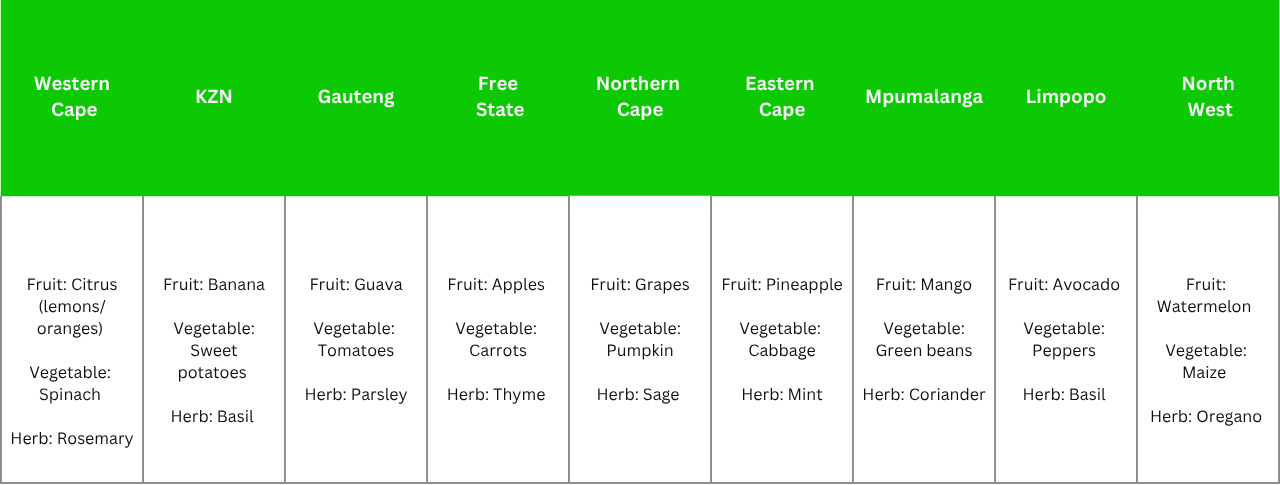
- Grow staples such as leafy greens, herbs and tomatoes
- Learn basic food preservation techniques (freezing, drying)
Even partial self-sufficiency reduces costs, improve food security, and strengthens resilience. In sectional title schemes, shared gardens can also strengthen community cohesion, which is a critical but often overlooked survival asset.
Growing your own food in South Africa does not require large spaces. Container gardening, vertical setups and small shared gardens can produce meaningful yields, even in sectional title environments.
South Africa’s diverse climate means planting should be aligned with regional conditions and seasonal cycles.
Reduce financial vulnerability
A key theme in Keen’s work is the danger of high private debt, which can amplify economic shocks.
What you can do now
- Avoid unnecessary debt
- Build an emergency fund
- Prioritise essential spending
Financial flexibility becomes a critical buffer during uncertainty, especially as interest rates and living costs fluctuate. Staying on top of your spending can quite literally save you and your family in times of economic uncertainty.
For community schemes requiring maintenance or upgrades, STS provides funding solutions that help preserve property value without immediate financial strain.
Strengthen community ties
One of the biggest lessons from past crises is this: Individuals struggle alone but communities can adapt better together.
Engaging with your body corporate or HOA, and supporting shared infrastructure investments, strengthens long-term resilience.
This is where Sectional Title Solutions plays a critical role. We help communities implement:
- Funding solutions for infrastructure upgrades
- Smart tech for safety and efficiency
- Sustainable solar and water systems that benefit all residents
- Legal advisory solutions for when conflicts arise
Prioritise your physical and mental health
During periods of uncertainty, wellbeing is often neglected – yet it directly affects resilience and decision-making.
Constant exposure to negative news and social media can increase stress and anxiety. Limiting this exposure helps restore balance.
Simple habits such as spending time outdoors, maintaining physical activity, staying hydrated and getting adequate sleep can significantly improve your ability to cope with uncertainty.
Final thoughts
Keen’s message is clear. Modern economies have overlooked physical limits for too long. Energy, water and environmental constraints are now reshaping economic reality. This is not a reason for panic, but a call for preparation.
South Africans are already familiar with adaptation. However, the next phase will require a shift from reactive coping to proactive planning.
The essentials of survival in uncertain times are not extreme. They are practical:
- Secure your household energy today (solar + battery backup)
- Store and protect your water supply
- Build food resilience
- Reduce financial risk
- Strengthen your community
- Prioritise your mental and physical wellbeing
With the right systems in place, supported by partners like Sectional Title Solutions and Bright Light, homes and communities can move from vulnerable to truly resilient.