 FUNDING AND TREASURY
 EFFICIENT ENERGY
 SMART TECHNOLOGY
 LEGAL ADVISORY
 OUTDOOR ADVERTISING
 WATER MANAGEMENT SOLUTIONS
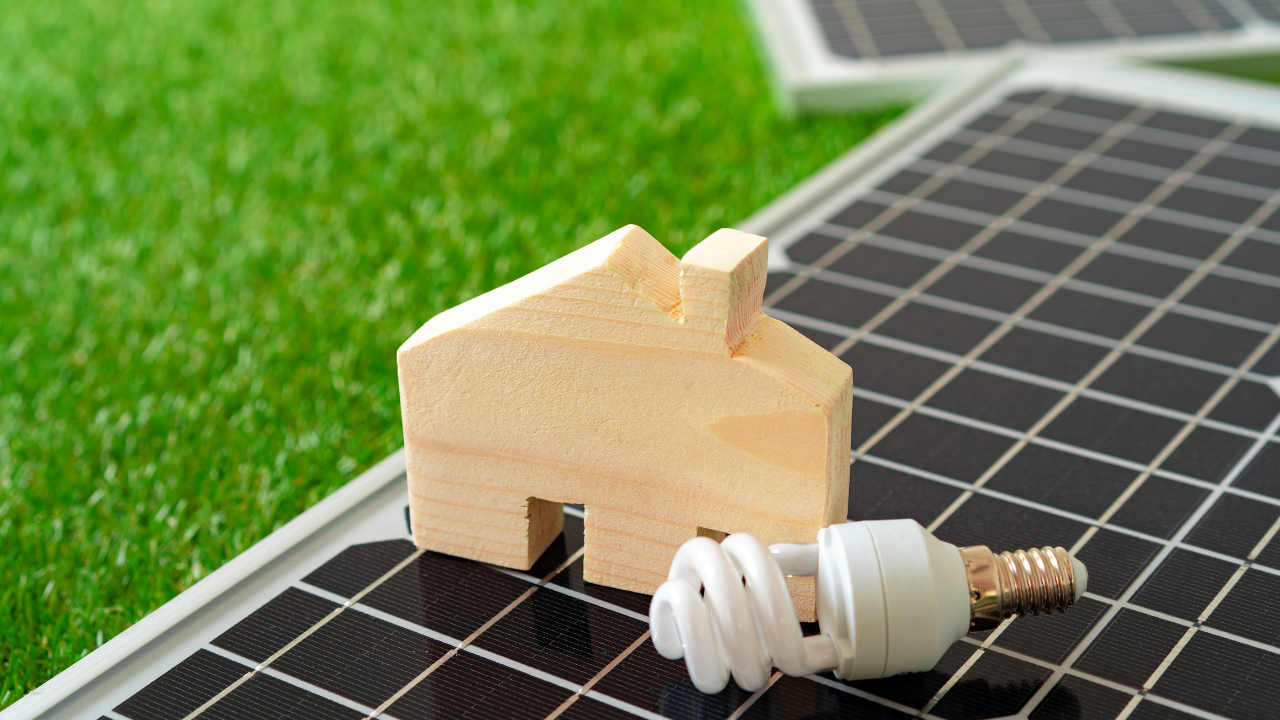
South Africa’s renewable energy revolution gains momentum in 2026
South Africa’s renewable energy sector is entering an exciting new phase. As the industry grows, the focus is shifting. It’s no longer just about adding more power capacity, but rather about making energy systems smarter, more flexible, and more efficient.
Lower technology costs, changes in the market, and pressure on the national grid are all shaping how renewable energy projects are planned, funded, and managed.
Battery storage: now essential
Battery Energy Storage Systems (BESS) are now a key part of modern energy solutions. As battery costs have dropped, they’ve become more affordable and practical. They allow energy to be stored when demand is low and used when electricity is more expensive.
This creates real benefits:
- Large-scale energy producers can deliver power more efficiently and reduce waste.
- Businesses can better manage peak and off-peak electricity tariffs.
- On-site solar systems can store excess energy and reduce reliance on the grid.
Beyond individual systems, batteries also help stabilise the grid, especially in areas where capacity is limited. In short, batteries are essential for reliable, flexible energy.
Grid constraints are changing how projects are designed
Access to the grid has become a major challenge. Many of the best locations for solar and wind projects have already been used, and grid capacity is limited in some areas. This affects costs and pricing, and it means developers need to think more strategically.
Battery storage is helping to solve this problem. By storing energy and releasing it when the grid can handle it, batteries reduce pressure on the system and improve overall project performance.
Wheeling is opening new opportunities
Wheeling (the process of delivering renewable energy across the grid to customers) is becoming more common. New models, like virtual wheeling and access to alternative electricity distributors, are making renewable energy available to more users, especially large businesses.
Although recent regulatory changes (such as the “first ready” grid allocation system and reduced wheeling rebates) have affected project costs, they have also increased the value of on-site (embedded) generation. Combining wheeling with on-site energy solutions is proving to be a strong, future-focused approach.
South-African Wholesale Electricity Market (SAWEM)
South Africa’s wholesale electricity market (SAWEM) is a game-changer for body corporates. By opening access to competitive suppliers, including renewable energy producers, it promises lower costs, improved reliability, and greater sustainability options.
While schemes will need to adapt to new market structures and constantly changing energy prices, the long-term benefits position them to better manage budgets and contribute to the country’s energy transition. Additionally, on-site energy solutions will allow the scheme to potentially actively participate in the market and maximise the benefits of the changing energy landscape.
Hybrid systems: the future of energy
Combining solar power with battery storage is quickly becoming the standard. These hybrid systems allow energy users to:
- Make the most of their solar generation
- Use stored energy during peak tariff periods
- Stay flexible as tariffs and regulations change
In today’s environment, flexibility is key to long-term success.
New ways of financing energy
The renewable energy sector is also seeing new and flexible financing options. For example, large projects are being grouped together to reduce costs, while smaller and on-site systems benefit from options like:
- Fixed monthly payment plans
- Tariff-linked Power Purchase Agreements (PPAs)
- Combined solar and battery financing solutions
These models are making renewable energy more accessible to businesses and communities alike.
Resilience and performance still matter
Even though load shedding has eased, energy security remains a priority for many South Africans. For developers and providers, this means systems must perform well and be built to last. Poor performance not only affects returns but can also reduce trust in renewable energy solutions.
Looking ahead
In 2026, the most successful renewable energy systems will be those that can adapt. Systems that can manage when energy is generated, stored, and used (based on changing tariffs, market conditions, and grid limits) will deliver the most value over time.
With batteries and hybrid systems leading the way, Southern Africa’s renewable energy sector is evolving. It’s moving from a focus on growth to a focus on smart, reliable, and flexible energy solutions. 2026 marks a shift towards a more strategic and performance-driven energy future, and STS with our partners at Bright Light are ready to take you forward.